
Sec. 02Is it the field?
The tank is fine. The soil gave up.
When a drain field fails, the usual culprit isn’t the tank or the pipes. It’s the soil around the field: packed down, sealed by a thick biomat, and unable to take water. In heavy valley clay it happens faster.
Watch for these, straight from the list we give every customer:
- Wet or soggy ground over the drain field
- Black or dark gray ooze surfacing in the yard
- Foul odors around the drain field
- Gurgling drains inside the house
- Sewage backing up or overflowing into the house
Sewage backing up inside? Stop using water, keep people and pets away, and call 701-799-2843.
Sec. 03The EarthBuster process
Air in. Channels open. Lawn stays.
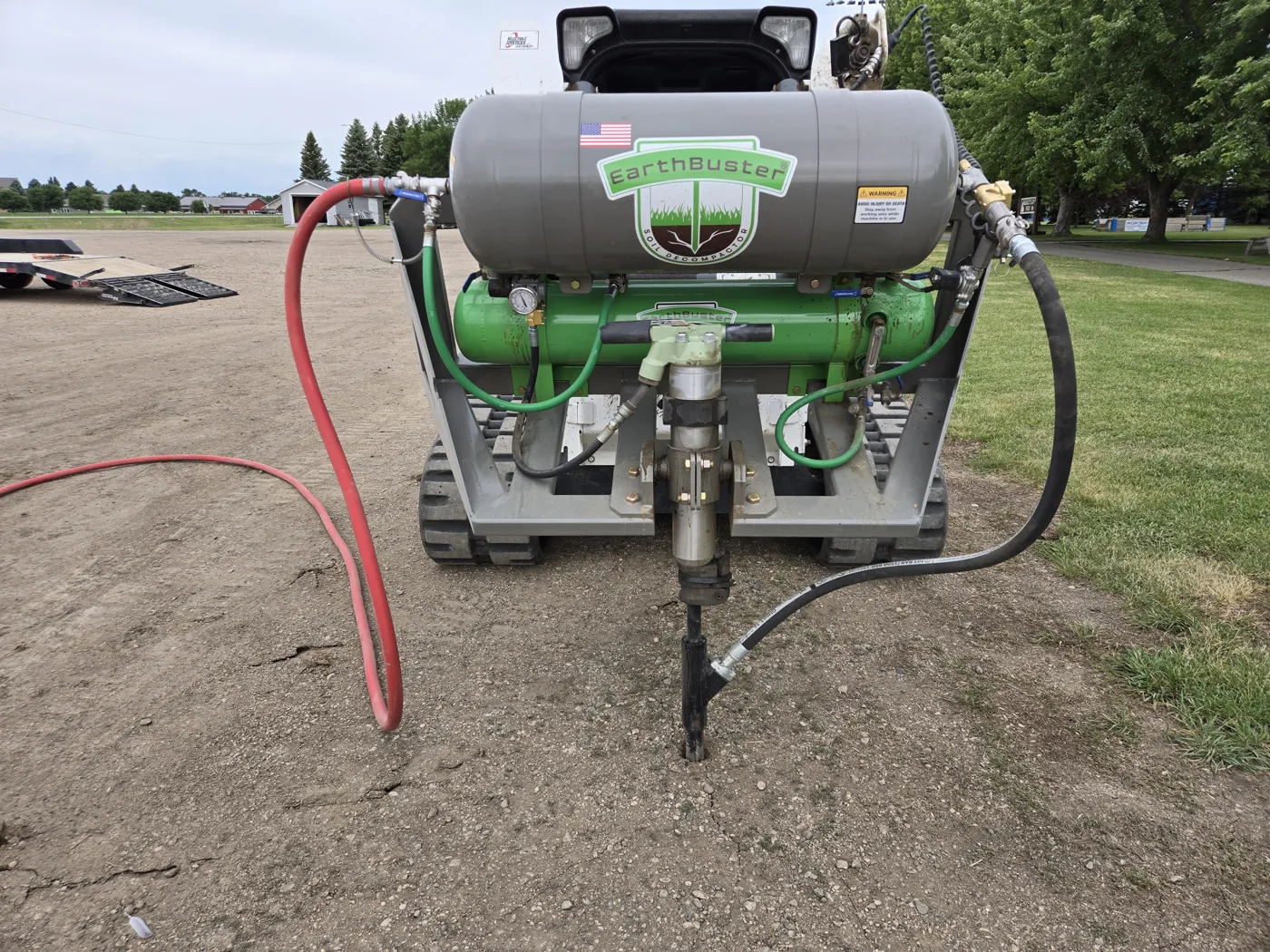
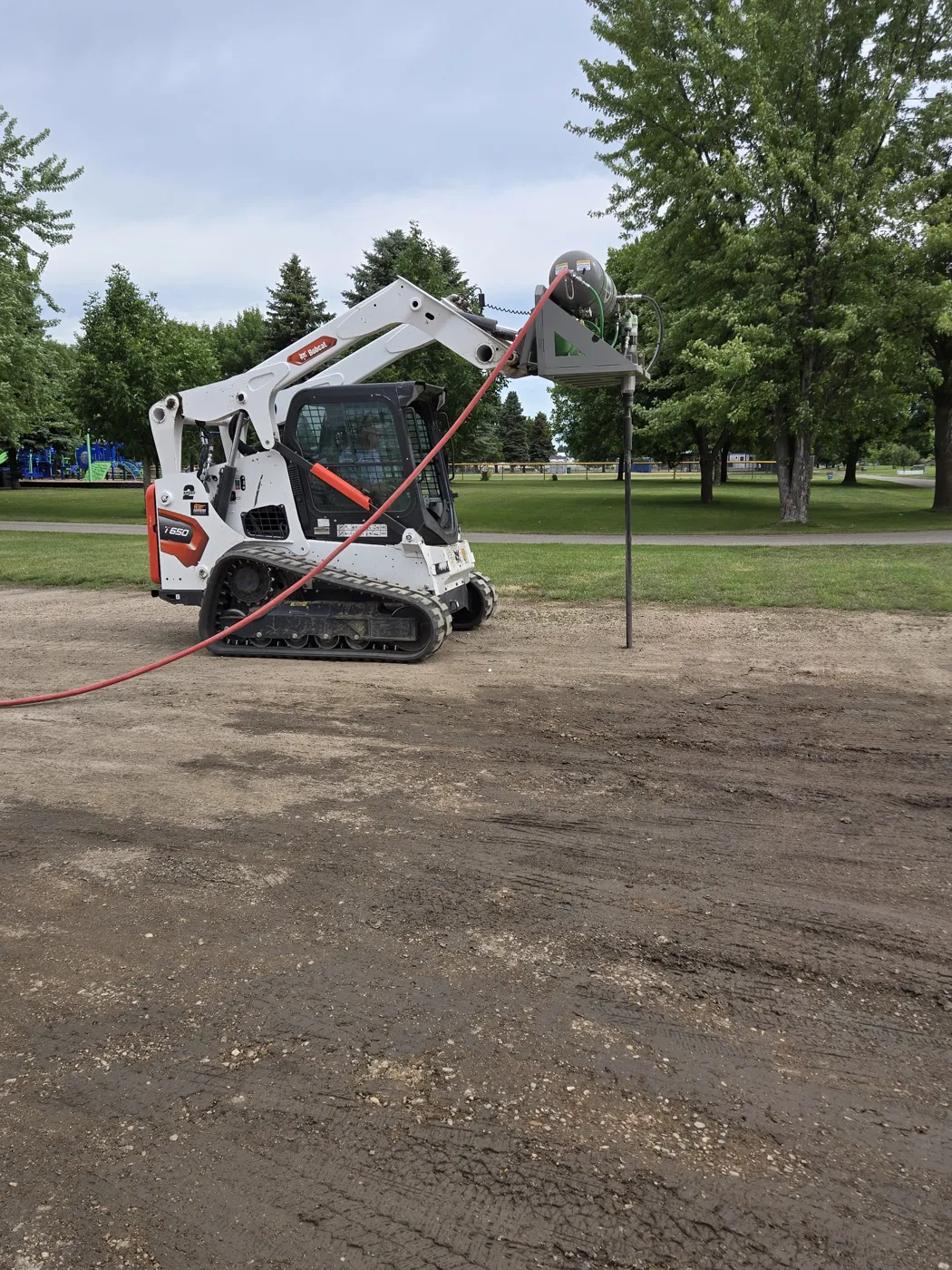
A probe goes down into the absorption soil, a shot of compressed air fractures the packed layers, and liquid and oxygen can move again. It works the field in place instead of trenching a new one.
The full restoration serviceLook first
We talk through the symptoms, find the field and check whether the trouble is really the soil. A crushed pipe, a field sitting in groundwater or a system too small for the house won’t be fixed by restoration, and we’ll say so.
Pump the tank
The septic tank is pumped by a licensed pumper before treatment, so the field isn’t fed fresh effluent while the soil is opened up.
Probe and fracture
A steel probe mounted on our track loader is driven into the absorption soil along the field. At depth, shots of compressed air fracture the packed soil and the biomat and open new paths for liquid and air.
Treat the soil
With EarthBuster Plus we can inject a liquid treatment at depth during the air shot. We use Lenzyme Field & Line Cleaner and Drainfield Biological Activator where the field calls for it, which matters most in clay.
Put the yard back
No trenches, no torn-up lawn: what’s left is a pattern of small probe holes. Then the field gets time to work, and you get straight advice on keeping it working.
Sec. 04A drain field, restored
We recently hired RDT Home and Property Services to restore the septic drain field at our dad's house who had passed away. We were in a time crunch to get it done before the new owners were set to move in and Ryan went above and beyond to get it done in the timeframe we needed. He was knowledgeable and more than willing to answer any questions we had. I was impressed with the care he used not to damage the yard. Other than a few small holes in the lawn, I can hardly tell where he used his equipment! The service he offers is a great alternative to replacement at a much cheaper price. I highly recommend RDT Home and Property Services!
Sec. 05The rest of the property
One call for the whole place.
The same track loader and the same crew handle the dirt work, drainage, cleanup and winter jobs that come with a farmstead, an acreage or a property you manage.
Drainage solutions
Soggy yards, puddling driveways and saturated ground opened up with the same deep-soil process.
03Skid steer & dirt work
Site prep, grading, gravel driveways, tree pulling, roto-tilling and material handling.
04Cleanup, demolition & storm work
Brush, junk and debris removal, small-building demolition and storm cleanup.
05Plumbing repairs & winterization
Plumbing repairs, sump pumps, plumbing winterization and sprinkler blow-outs.
06Snow removal & handyman work
Snow removal, small concrete jobs and handyman repairs around the home or property.
Sec. 06From the job file
Same ground, before and after.
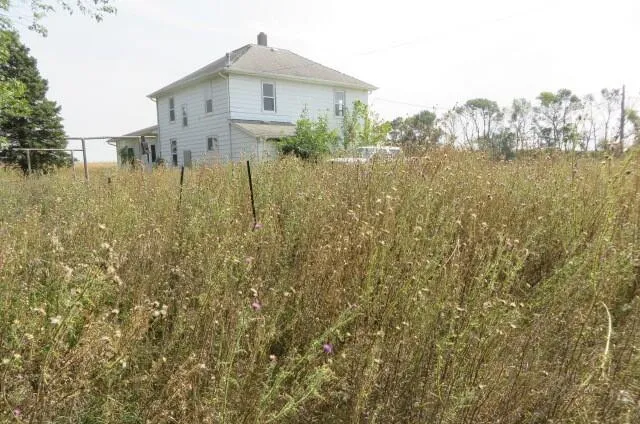 Before
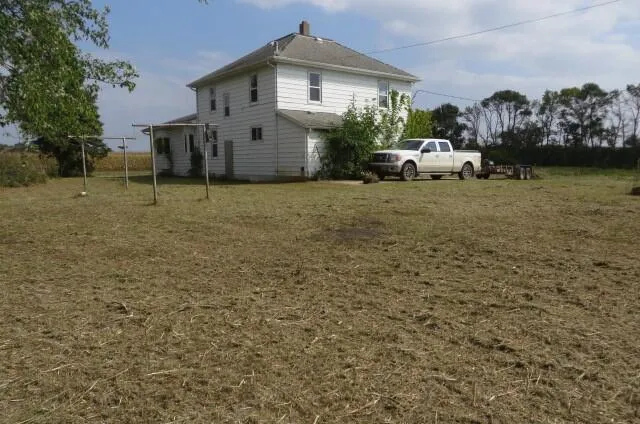 After
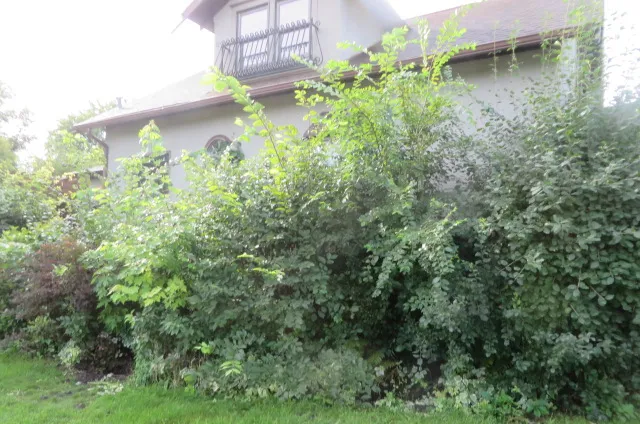 Before
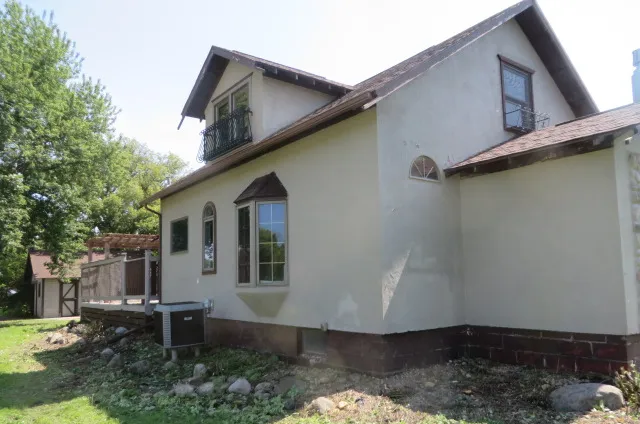 After
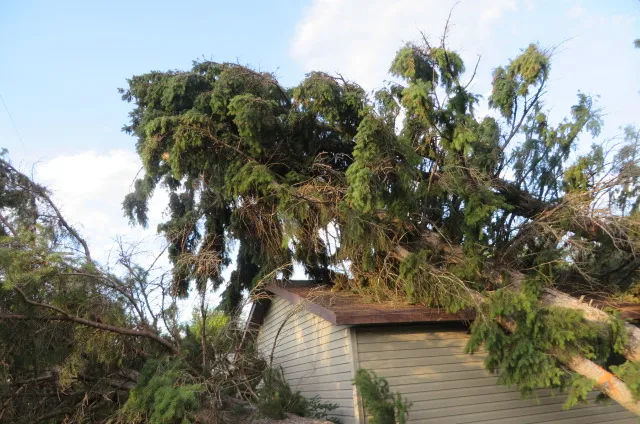 Before
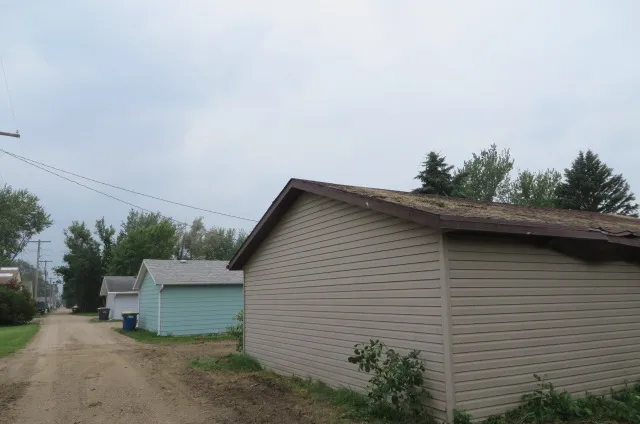 After
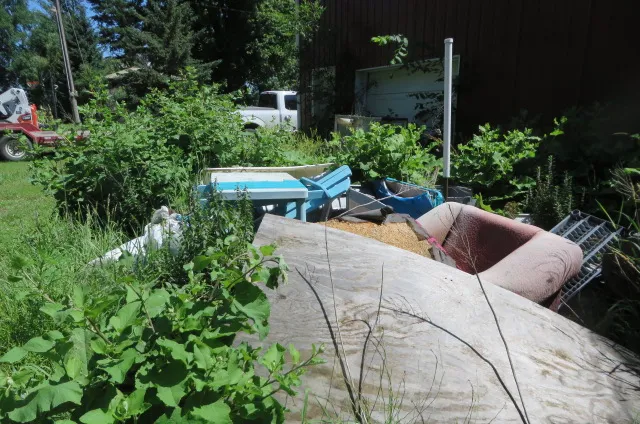 Before
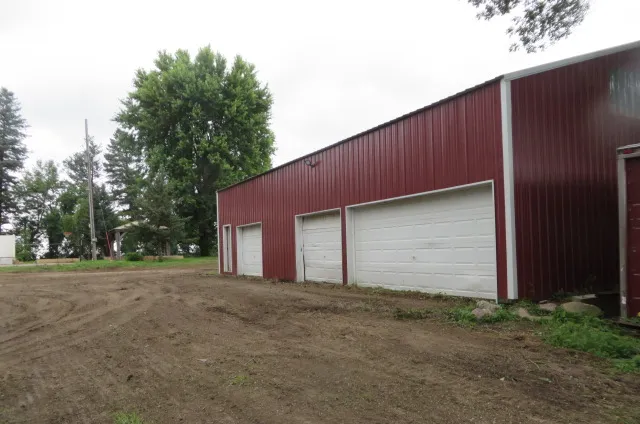 After
The standard on every job
“In all the work you are given, do the best you can. Work as though you are working for the Lord and not for men.”
Sec. 07What customers say
Responsive, careful, straight with you.
We are so happy with Ryan and his team’s work. He was super responsive and timely with everything they did. His attention to the small details and focus on quality was impressive from start to finish.
The service to be provided was communicated clearly and truthfully with insightful recommendations. RDT was more than pleasant to work with and I recommend them to anybody in need of help.
We went from a dirt road that did not withstand our ND weather conditions, to a high quality gravel driveway. We will definitely be doing business with RDT again.
RDT has been completing work for us for 25 years. He is very reliable, always on time, and does great work.
Sec. 08Local ground
Clay to the east, sand at home, water everywhere in spring.
East of McLeod, the Red River Valley floor is the bed of glacial Lake Agassiz: fine, heavy clay on land so flat that water lingers. It is about the hardest soil there is for a drain field, which is why biomat and compaction take so many of them down.
McLeod itself sits on the Sheyenne Delta, a fan of sand the river dropped into the old lake. Sand drains, but the water table can sit close to the surface, and no amount of soil work can make a field drain into groundwater. Knowing which problem you have is the first job.
Soil and water questionsSec. 09Service area
Eastern Dakotas & western Minnesota.
- McLeod, NDRichland County · Sandy delta soils, shallow water table in low spots
- Lisbon, NDRansom County · River-valley alluvium; heavier glacial till on the uplands
- Wahpeton, NDRichland County · Lake Agassiz clay: fine, dense and slow to drain
- Kindred, NDCass County · Lake-plain clays and silts
- Breckenridge, MNWilkin County · Red River Valley clay, same as across the river
- Sisseton, SDRoberts County · Glacial till and outwash; varies field to field
Sec. 10Straight answers
Septic questions, answered.
What is a drain field, and why does it fail?
A drain field (also called a leach field or absorption field) is the network of perforated pipe and gravel or chambers where effluent from the septic tank soaks into the soil. Most drain fields fail because the soil under them stops accepting water, not because the pipes break.
Why do drain fields fail in heavy Red River Valley clay?
Because the valley floor is the bed of glacial Lake Agassiz, and the fine clay it left behind passes water very slowly. A field in clay has little reserve capacity, so a thickening biomat or a little compaction is enough to tip it into failure.
Why do septic systems freeze in North Dakota and Minnesota?
The usual recipe is hard cold with little snow cover, especially after a dry fall. NDSU Extension points to dry soil, very cold air and long stretches without snow as the causes, and notes that new systems on bare soil often freeze their first winter.
How often should a septic tank be pumped?
For a typical household, about every three to five years, with the system inspected every few years. The right interval depends on tank size, the number of people, and whether you use a garbage disposal.
Who regulates septic systems in North Dakota?
Installers are licensed by the North Dakota Department of Environmental Quality, and before working on a system they must get a permit from the local public health unit and follow local codes.